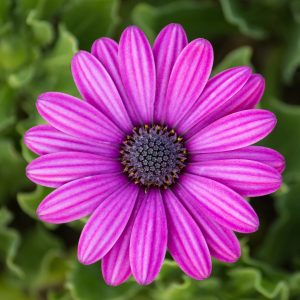
Echinacea is a flowering plant that is native to North America. The plant is used in herbal medicine to boost the immune system and treat a variety of infections, including the common cold, the flu, and urinary tract infections.
Echinacea is a perennial plant native to North America, and its extracts have been used in traditional medicine for centuries. The plant contains various active compounds, including flavonoids, alkamides, and polysaccharides, which contribute to its therapeutic effects. Key benefits of Echinacea for skin health include:
Echinacea contains compounds that have antiviral, antibacterial, and antifungal properties. These compounds may help to prevent the body from getting sick or may help to fight off infection if the body does get sick.
Here are some of Echinacea uses and properties:
- Anti-inflammatory: Echinacea’s anti-inflammatory properties help to soothe and calm irritated skin, making it an excellent choice for treating various skin conditions like acne, eczema, and psoriasis.
- Antioxidant: Echinacea is rich in antioxidants that help neutralize free radicals, which are responsible for premature skin aging and damage. By combating free radicals, Echinacea can help maintain a youthful complexion and prevent the signs of aging.
- Antimicrobial: The antimicrobial properties of Echinacea help prevent and fight skin infections, making it beneficial for acne-prone skin or for clients with minor cuts or abrasions.
- Wound healing: Echinacea has been shown to promote wound healing by stimulating collagen production, reducing inflammation, and preventing infection. It can be a helpful addition to post-treatment care to speed up the healing process.
Echinacea is available in a variety of forms, including capsules, tablets, liquids, and topical creams. It is important to talk to a doctor before taking echinacea, as it may interact with certain medications.
Echinacea is generally considered safe when used as directed. However, some people may experience side effects, such as stomach upset, headache, and rash. If you experience any side effects, stop taking echinacea and talk to a doctor.