
Complementary foods are foods that contain different essential amino acids. When eaten together, they can provide all the essential amino acids that the body needs. This is important because the body cannot produce essential amino acids on its own, so they must be obtained from food.
Incomplete and complete proteins
Proteins are made up of amino acids, which are the building blocks for tissues, muscles, and organs. There are 20 amino acids, nine of which are considered essential, meaning our body cannot produce them, and we must obtain them through our diet.
Complete proteins contain all nine essential amino acids in sufficient amounts, while incomplete proteins lack one or more of these amino acids. Animal-derived protein sources, such as meat, poultry, fish, eggs, and dairy, are usually complete proteins. Most plant-based protein sources, like legumes, nuts, and seeds, are incomplete proteins.
Complementary foods and their benefits
Complementary foods involve combining two or more incomplete protein sources to create a meal that provides all the essential amino acids. Some common examples of complementary food combinations include:
- Beans and rice
- Peanut butter and bread
- Tofu and vegetables
- Lentils and quinoa
- Eggs and cheese
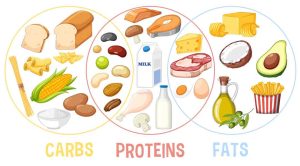
Understanding and incorporating complementary foods into one’s diet can offer several benefits, including:
- Balanced nutrition: Combining complementary foods ensures that individuals, particularly those following a plant-based or vegetarian diet, receive all the essential amino acids needed for optimal health.
- Skin health: Amino acids are crucial for collagen production and skin repair. Consuming a balanced diet with complete proteins can contribute to improved skin health and appearance.
- Hair and nail health: Amino acids play a vital role in keratin production, which is essential for healthy hair and nails. Ensuring adequate protein intake through complementary foods can help promote hair and nail health.
Practical applications for beauty professionals and estheticians
- Nutritional advice: Educate clients about the importance of complementary foods, particularly if they follow a plant-based or vegetarian diet. Offer suggestions for easy and nutritious complementary food combinations to help clients meet their protein requirements.
- Holistic approach: Emphasize the connection between a balanced diet and overall health, including skin, hair, and nail health. Encourage clients to focus on their nutrition in addition to skincare and beauty treatments for best results.
- Customized recommendations: Tailor your nutritional advice to each client’s dietary preferences and restrictions, considering factors like food allergies, cultural or religious dietary practices, and individual health needs.